Exhibitions
Index / Activities / Exhibitions / Cordobán and Guadamecí Exhibition
Cordobán and Guadamecí Exhibition
From October 08, 2026 until October 16, 2026Thursday, October 8, from 9 a.m. to 2 p.m. and from 4 p.m. to 7 p.m. Friday, October 9, from 11 a.m. to 2 p.m. October 13–16, 11 a.m.–2 p.m. Closed October 10–12.
CÓRDOBA
Closed on from 10 to october 12
Casa Árabe Exhibition Halls (c/ Samuel de los Santos Gener, 9).
Thursday, October 8, from 9 a.m. to 2 p.m. and from 4 p.m. to 7 p.m. Friday, October 9, from 11 a.m. to 2 p.m. October 13–16, 11 a.m.–2 p.m. Closed October 10–12.
Free entry until capacity is reached.
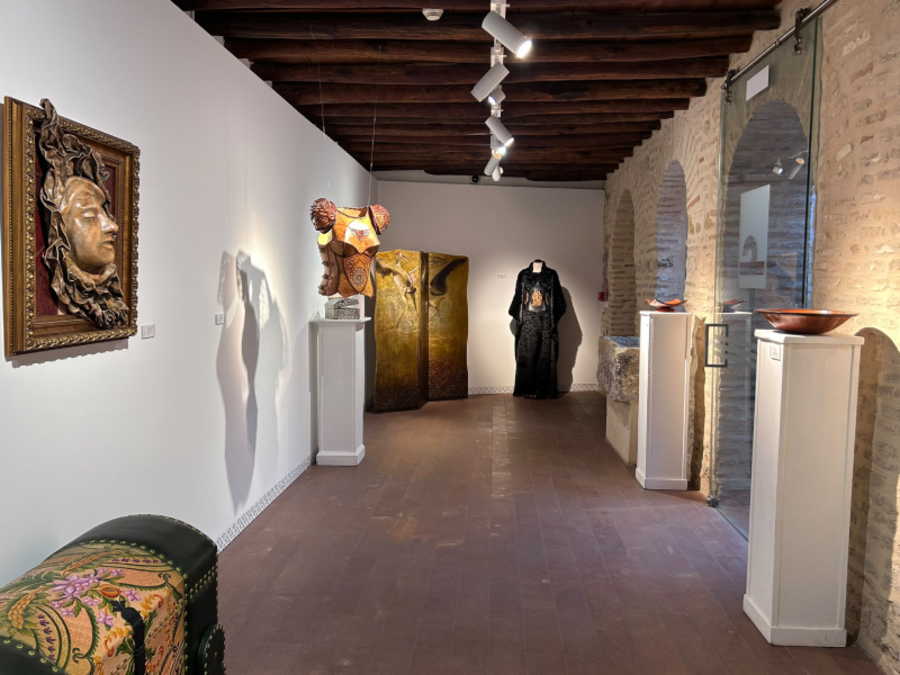
To mark the scientific seminar dedicated to the research, conservation, and preservation of Guadalmecí and Cordobán leather, Casa Árabe is hosting a temporary exhibition at its Córdoba headquarters featuring works by artisans and artists. The exhibition will be on view on October 8 and 9 and from October 13 through 16.
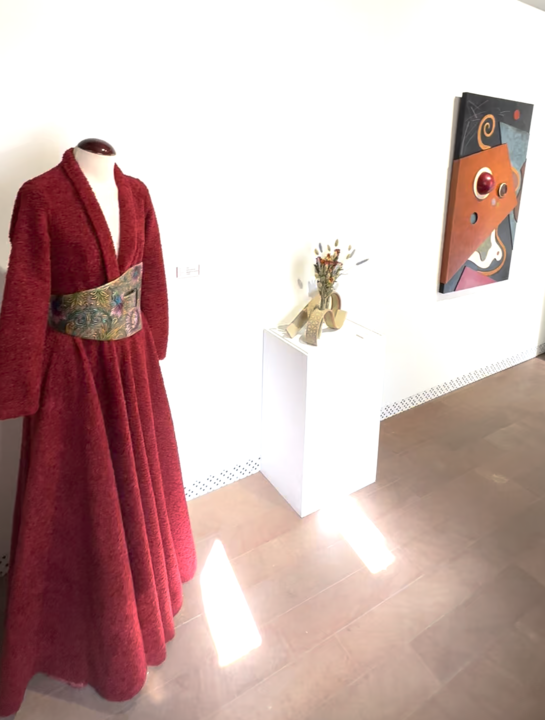
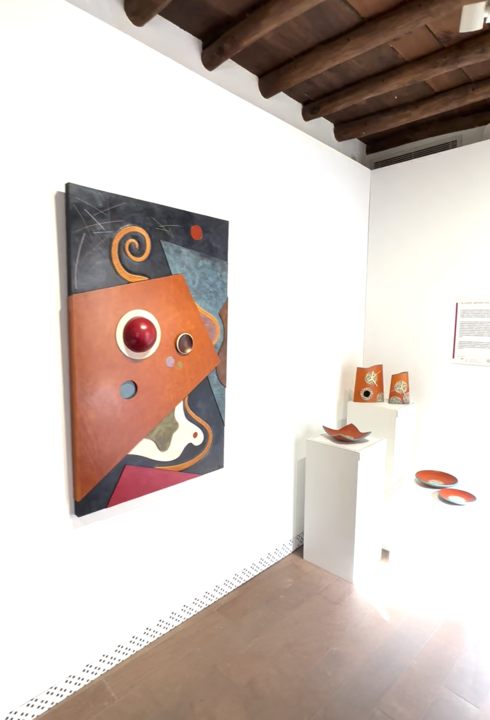
The exhibition brings together pieces from the workshops of the Córdoba Artisans Association, as well as from students at the Mateo Inurria School of Art and Design.
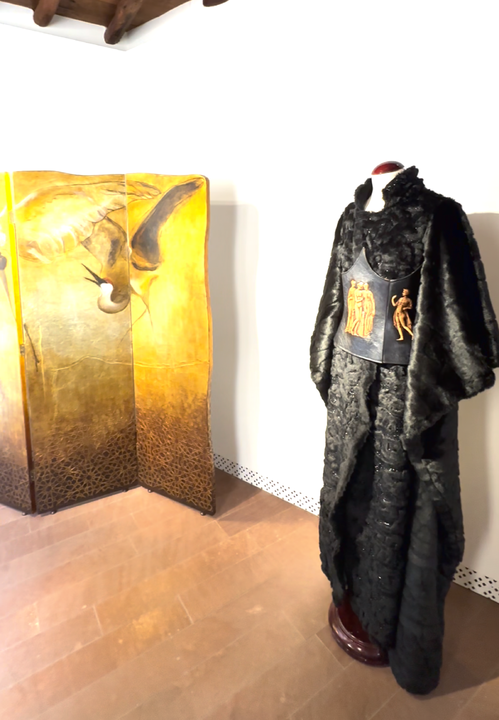
The works on display are related to the leatherwork characteristic of these two craft traditions, which are seeking designation as Intangible Cultural Heritage by UNESCO.
Cordobán and Guadamecí are traditional leathercraft techniques originating in the city of Córdoba, with a deep-rooted legacy dating back to the Al-Andalus period. The two techniques have distinct characteristics. Thus, Cordobán is made primarily from goatskin—which is thin, flexible, and very durable—on which geometric and floral motifs are engraved, stamped, or carved. It is commonly used in footwear, bookbinding, small chests, and small pieces of furniture or decorative items, and its name derives from the fame the city of Córdoba achieved for this type of leatherwork during the Middle Ages.
Guadamecí, on the other hand, is traditionally made from ram or sheepskin, which is softer and more delicate. Once tanned, the surface is gilded or silvered, then polychromed (painted) and decorated with embossed designs (ferreteado). It appears that the origin of its name is linked to the North African city of Ghadames, where it is believed to have originated, although it became a true work of sumptuous art in Caliphate-era Córdoba, used to decorate palaces, cover walls, create screens, or imitate rich tapestries and carpets.
The visiting hours for this exhibition are as follows:
Thursday, October 8
From 9:00 a.m. to 2:00 p.m. and from 4:00 p.m. to 7:00 p.m.
Friday, October 9
From 11:00 a.m. to 2:00 p.m.
Tuesday, October 13, through Friday, October 16:
From 11:00 a.m. to 2:00 p.m.
Visitors will also be able to explore the exhibition “Lo que queda entremedias / What Lies in Between,” organized as part of PhotoEspaña 2025, as well as the large-format mural and the embroidery installation set up in our courtyards.